

WATCHES
Time, considered.
The watches worth knowing, the stories behind them, and why something designed simply to tell the time became so much more.
WHY WATCHES?
WE ALREADY KNOW WHAT TIME IT IS.
The phone in your pocket tells time more accurately than nearly any mechanical watch ever made.
And yet we continue to wind them, collect them, inherit them, repair them and glance at our wrists.
Perhaps that's because a watch has become something other than an instrument of necessity. It can mark an achievement, remember a person, accompany an adventure or simply represent an appreciation for something made unusually well.
The least interesting thing about a good watch may be the time.

THE WATCH BOX
A watch for the occasion. Not every occasion for another watch.

THE EVERYDAY
The one you reach for without thinking.

THE DRESS WATCH
Quiet enough to disappear beneath a cuff.

THE TRAVELER
Another timezone, properly considered.

THE SPORTS WATCH
Built for more than the boardroom.

THE HEIRLOOM
The one that was never really yours alone.

THE CHRONOGRAPH
Timing things we rarely need to time.
Some designs don't need reinvention.
THE ICONS
Rolex Submariner
WHY DOES IT MATTER?
Born in 1953 as the ultimate tool for underwater exploration, the Submariner defined the architectural blueprint for the modern diver's watch. Its enduring design—the rotating oyster bezel, the gleaming black dial, and the robust oyster case—transcended its utilitarian roots. It matters because it proved that a precision instrument could also be a definitive statement of masculine elegance, remaining virtually unchanged through decades of shifting trends.


Omega Speedmaster
WHY DOES IT MATTER?
The Speedmaster earned its legend on the wrists of astronauts, becoming the first watch worn on the moon. However, its history began on the race track as a driver's chronograph. It matters because it represents the peak of mid-century human ambition—an analog machine that performed flawlessly in the vacuum of space, anchored by a tachymeter layout that has become the gold standard for chronographs worldwide.
Cartier Tank
WHY DOES IT MATTER?
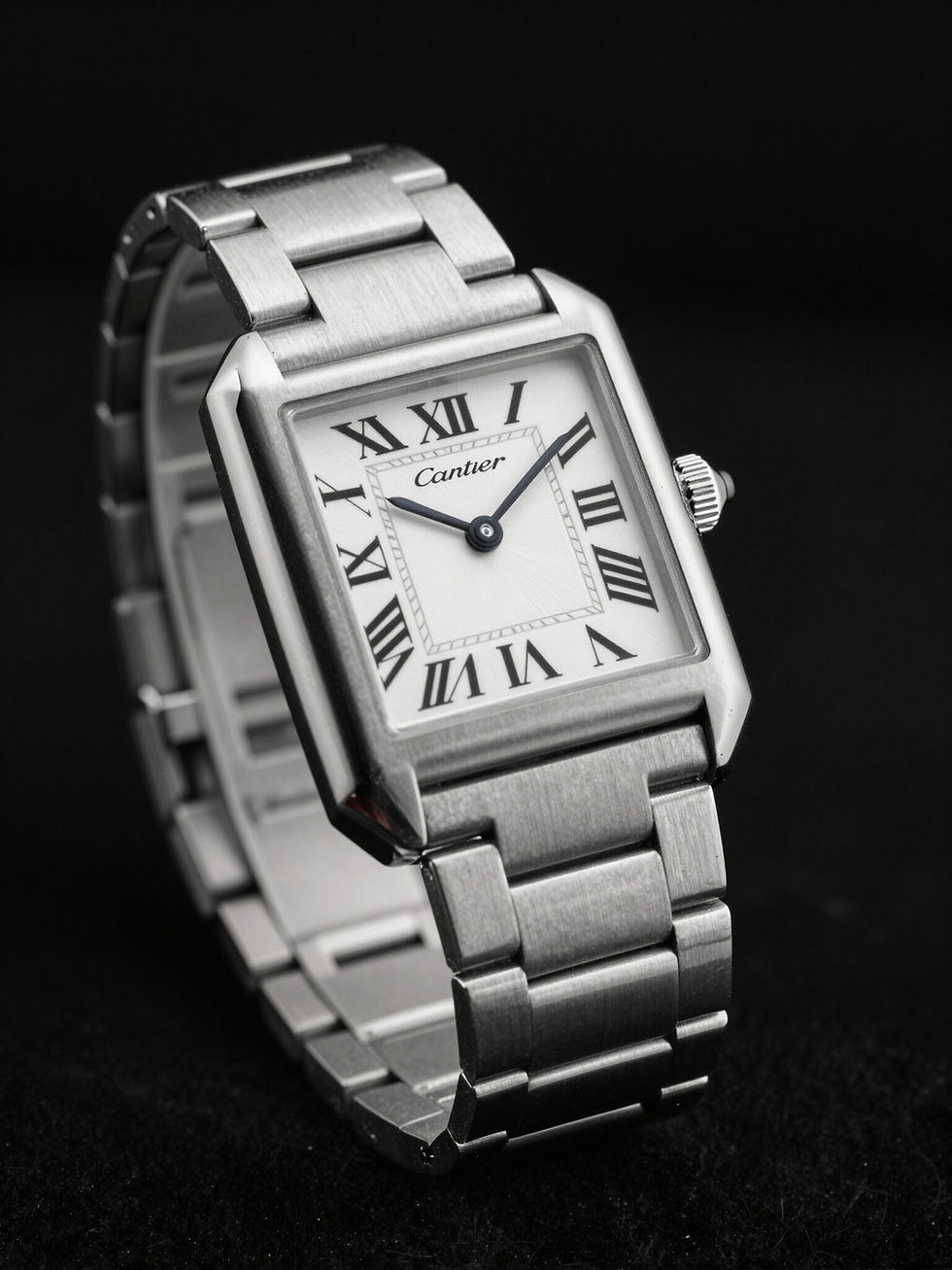
Inspired by the geometric profiles of Renault tanks on the Western Front, Louis Cartier created a watch that defied the round-cased orthodoxy of 1917. It matters as a masterclass in proportion and restraint. By integrating the lugs into the case sidebrancards, the Tank became as much a piece of jewelry as a timepiece, favored by artists, intellectuals, and icons who valued style as an intellectual pursuit.
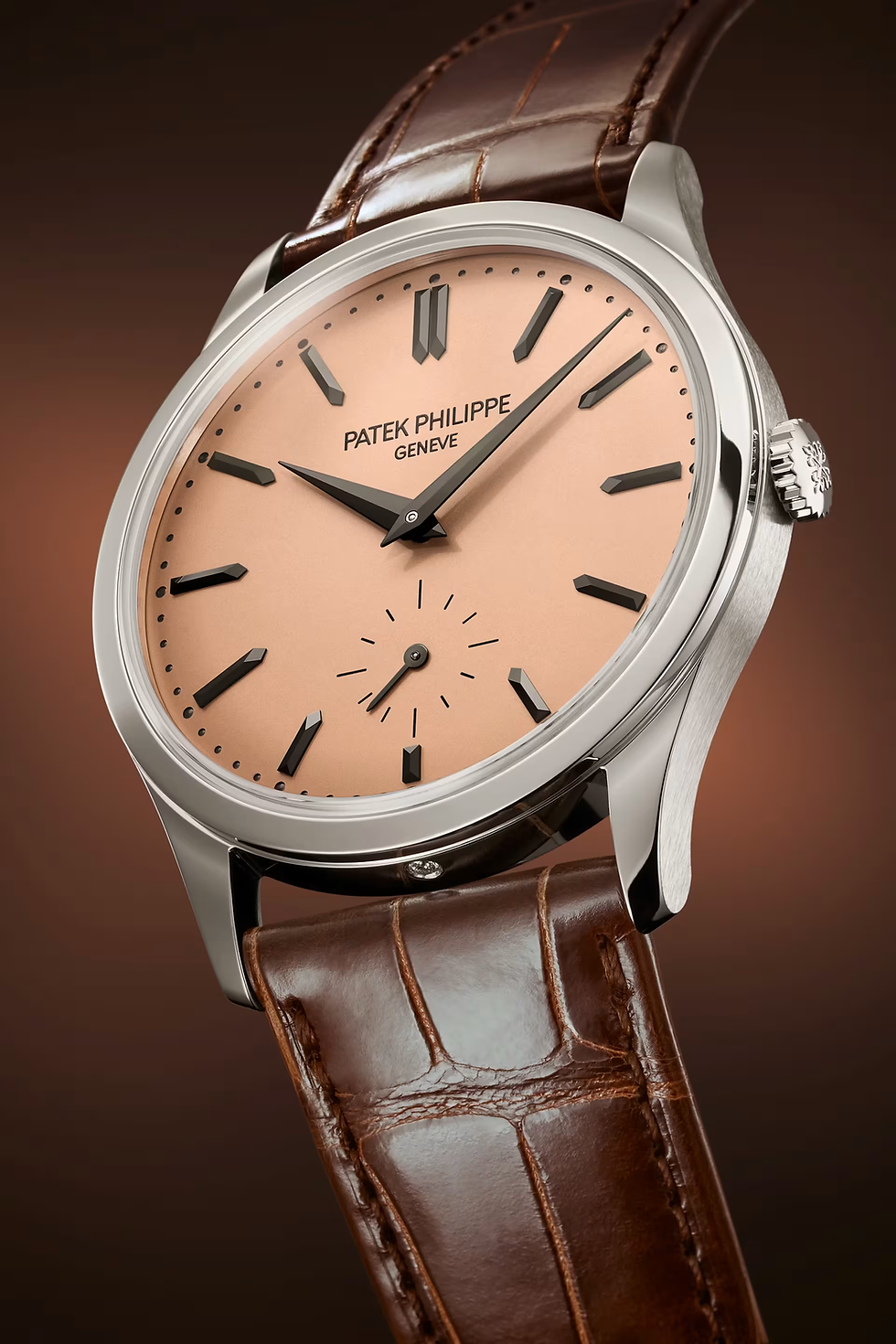
Introduced in 1932, the Calatrava was a direct application of Bauhaus principles: form follows function. It matters because it established the standard for the dress watch—a pure, circular case that focused entirely on legibility and elegance. It is the ultimate expression of horological purity, a design that avoids shouting to be noticed but demands attention through its absolute perfection.
Patek Philippe Calatrava
WHY DOES IT MATTER?
Audemars Piguet Royal Oak
WHY DOES IT MATTER?
Designed by Gérald Genta in a single night, the Royal Oak saved the Swiss watch industry during the quartz crisis of 1972. It matters because it invented the category of the luxury sports watch. With its exposed screws, integrated bracelet, and octagonal bezel, it proved that stainless steel could be just as precious as gold, provided the design and finishing were uncompromising.

Jaeger-LeCoultre Reverso
WHY DOES IT MATTER?
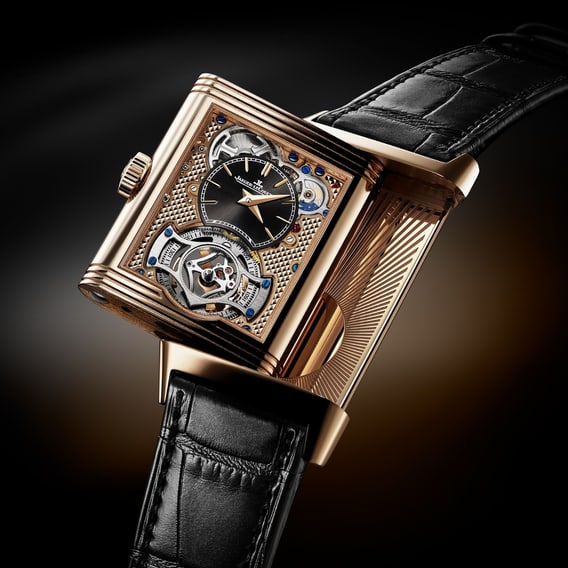
Born on the polo fields of British India in 1931, the Reverso solved a simple problem: how to protect a watch crystal from the swing of a mallet. It matters because it is one of the few great Art Deco objects still in production. Its swiveling case remains a tactile delight, an elegant mechanical solution that turned necessity into a canvas for personalization and timeless style.
Rolex Datejust
WHY DOES IT MATTER?
The Datejust was the first self-winding chronometer to display the date in a window on the dial when it launched in 1945. It matters because it is the quintessential 'only watch you'll ever need.' Its combination of the Jubilee bracelet, the fluted bezel, and the cyclops lens created a silhouette so recognizable it has become the universal symbol of a 'proper' watch.


IWC Portugieser
WHY DOES IT MATTER?
Commissioned by Portuguese businessmen in the late 1930s who requested marine chronometer precision in a wristwatch, the Portugieser was unusually large for its time. It matters because it anticipated the modern trend for oversized watches by half a century. Its railway track minute scale, Arabic numerals, and feuille hands create a dial of remarkable clarity and nautical character.
The ICONS represents the enduring dialogue between purpose and art. These are the instruments that shaped time, and in return, were shaped by the people who wore them. They are not merely objects of desire, but chapters in the history of design.
THE REFERENCE · No. 001
ROLEX DATEJUST 116200
One watch. One reference. The story behind it.

Perhaps the most interesting thing about the Datejust is how little explaining it requires.
THE WATCH
The 116200 represents the modern distillation of Rolex horology: a 36mm Oyster case, a smooth bezel, and the reliable Calibre 3135 movement. It is functionalism elevated to a status of permanence.
THE DESIGN
Restraint is its defining characteristic. The silver sunburst dial and baton indices offer a clarity that transcends fashion, fitting as naturally in 1945 as it does within the architectural landscapes of today.
THE HISTORY
Launched in 1945 to celebrate the company’s 40th anniversary, the Datejust was the first automatic chronometer to display the date. It shifted the watch from a tool to a daily companion.
WHY IT ENDURES
It survives because it refuses to shout. In a world of increasing complexity, the Datejust remains a singularly coherent object—a masterclass in purposeful, enduring design.
ON THE WRIST
"The watch should belong to the man, not the other way around."

The Watch With a Suit
In formal settings, the watch acts as the final punctuation mark. A thin profile ensures the timepiece respects the sleeve's line, offering a glimpse of character only when necessary.

The Everyday Steel Watch
The stainless steel companion is a master of adaptation, bridges the gap between the weekend and the workday with effortless resilience.

Leather After Dark
As the light fades, the strap becomes as important as the dial. Leather adds a depth of texture that complements the evening's wardrobe.
Can You Wear a Dive Watch With Tailoring?

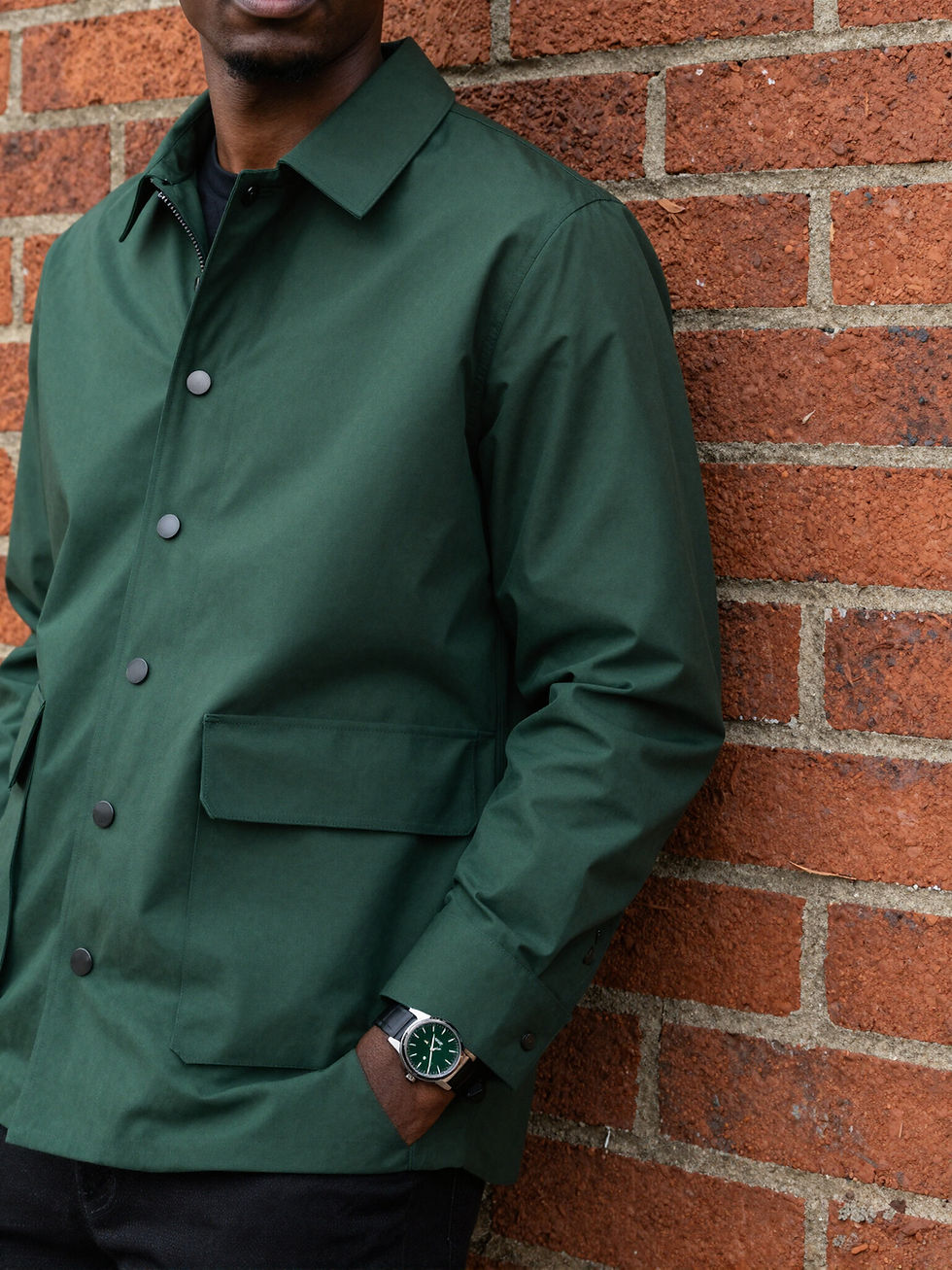
The short answer is yes, provided the proportions are respected. A dive watch brings a sense of rugged exploration to refined fabrics, creating a tension that is inherently modern.
When Gold Works
Gold shouldn't be a trophy; it should be a choice of warmth. Paired with earth tones and natural fibers, a gold timepiece loses its bravado and gains a timeless, quiet authority.

Matching a Watch Without Overmatching
Coordination should feel accidental. Avoid exact color matches between dials and neckwear; instead, look for complementary palettes that suggest a cohesion of taste rather than an effort of will.
Why Size Matters More Than Price
A thousand-dollar watch that fits perfectly will always look superior to a hundred-thousand-dollar watch that wears you. The diameter of the case and the length of the lugs must respect the bones of your wrist. Elegance is found in the fit, the comfort, and the way the watch integrates into your daily life.
THE WATCHMAKER
MADE BY HAND.
MEASURED IN MICRONS.

Before a watch becomes an object of status, collection or sentiment, it is an extraordinary collection of very small parts assembled to perform a remarkably simple task.
Behind those parts are designers, engineers, case makers, dial makers, finishers and watchmakers whose work may remain hidden beneath a caseback for decades.

CHAPTERS
Independent Watchmakers
Movement Finishing
Dial Making
Hand Engraving
Restoration
Case Construction
Complication Design
THE ART OF MICROSCOPY
© 2026

MERCER'S WATCH BOX
“A watch shouldn't spend its life waiting for a special occasion. Wear it. Scratch it. Take it somewhere. Eventually the marks become considerably more interesting than the polish ever was.”
— A. Mercer
Keeper of the Standard
No. 12 Mercer Row

IF WE COULD KEEP ONE
One watch. That's the question.

THE CARTIER TANK
Designed more than a century ago and still somehow requiring almost no explanation.
WHY IT MATTERS
The Tank is the ultimate exercise in architectural geometry. By integrating lugs into the parallel sidebrancards, Cartier created a design that is both a precise instrument and a permanent piece of modernist sculpture.
THE ONE WE'D HAVE
The Tank Louis Cartier in yellow gold. It is the purest expression of the original 1917 vision. Its proportions are so exact that any deviation feels like an compromise of character rather than an evolution.
HOW WE'D WEAR IT
With a dark navy cashmere sweater or a crisp white shirt. The Tank doesn't demand a tuxedo; it demands taste. Its versatility lies in its ability to elevate whatever it touches without ever trying too hard.

WEAR YOUR WATCH.
It was built to measure time.
Give it some worth measuring.

FORM & CHARACTER
The Art of Living Well.